Bryant Builder Addresses Growing Demand for Homes Accommodating Extended Family Living Across Generations
Watsonville, United States – March 9, 2026 / Bryant Builder /
General Contractor in Monterey, CA Highlights Multi-Generational Design
Bryant Builder addresses evolving housing needs as a forward-thinking general contractor in Monterey, CA by incorporating multi-generational design principles into custom homes and major remodeling projects throughout the Central Coast region. Owner Mike Bryant recognizes demographic trends showing increasing numbers of families choosing shared housing arrangements where aging parents, adult children, and grandchildren occupy single properties rather than maintaining separate residences. This shift stems from economic considerations including housing costs, caregiving needs for elderly family members, and changing cultural attitudes toward extended family proximity requiring thoughtful home designs that balance privacy with shared living spaces.

Separate Living Suites Provide Independence Within Shared Homes
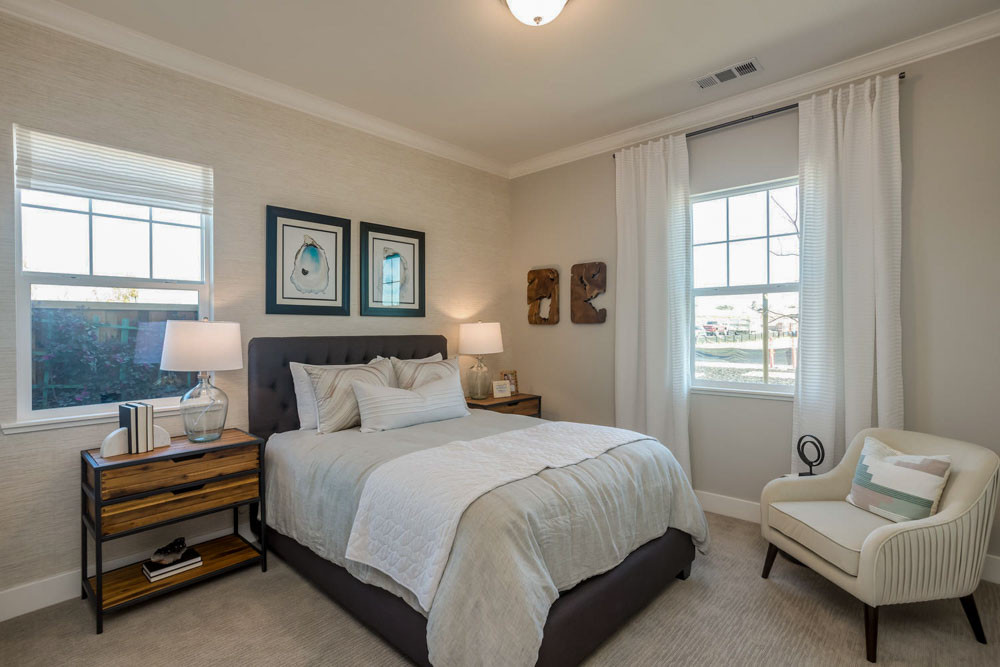
Multi-generational homes benefit from dedicated living suites including private bedrooms, bathrooms, and small kitchenettes that grant elderly parents or adult children independence while maintaining proximity to family support systems. These accessory dwelling arrangements within primary residences create self-contained spaces with separate entrances allowing occupants to maintain distinct households under unified roof structures. Design considerations include soundproofing between living zones, climate control independence, and layout configurations preventing one generation’s activities from disrupting others’ daily routines. Properly planned suites accommodate aging in place requirements including wheelchair accessibility, grab bar reinforcements, and zero-threshold entries that support mobility limitations.
Universal Design Features Support Aging Family Members
Incorporating universal design elements during initial construction or major remodels eliminates future retrofit expenses when family members develop mobility challenges requiring home modifications. Single-story floor plans or first-floor master suites with full bathrooms prevent stair navigation difficulties that limit elderly residents’ access to essential living spaces. Wider doorways accommodating wheelchairs, lever-style door handles replacing round knobs, and curbless showers with built-in seating address physical limitations without compromising aesthetic appeal. Kitchen designs incorporating varied counter heights, pull-out shelving, and task lighting improve usability for family members with different physical capabilities and accessibility requirements.
Flexible Spaces Adapt to Changing Family Compositions
Multi-generational homes require adaptable rooms serving different purposes as family circumstances evolve over decades of occupancy. Bonus rooms function as home offices during working years, convert to nurseries when grandchildren visit regularly, then transition into hobby spaces or therapy rooms as residents age. Finished basements or converted garages provide teenagers independence during high school years before transforming into elderly parent apartments when caregiving needs arise. Strategic placement of plumbing rough-ins, electrical capacity allowances, and structural support enables future conversions without extensive demolition or major renovation expenses.
Shared Common Areas Balance Privacy and Family Connection
Successful multi-generational homes feature generous shared spaces including large kitchens, dining areas, and family rooms that accommodate entire households gathering for meals and activities. Open floor plans connecting kitchen, dining, and living zones facilitate interaction while maintaining distinct functional areas preventing congestion during simultaneous use by multiple family members. Outdoor living spaces including covered patios, landscaped yards, and backyard amenities extend usable square footage providing gathering areas that reduce indoor crowding. Thoughtful design balances communal zones encouraging family interaction with private retreats allowing individual household members to withdraw when requiring personal space and solitude.

California Coastal Design Considerations for Extended Living
Monterey Bay area properties present unique challenges for multi-generational housing including limited lot sizes, coastal building regulations, and topography constraints affecting expansion possibilities. Vertical construction adding second stories maximizes living space on constrained lots while maintaining required setbacks and adhering to coastal development permit requirements. Hillside properties leverage grade changes creating separate entry levels for distinct living zones while maintaining single-structure classification avoiding accessory dwelling unit restrictions. Local building codes governing square footage limits, parking requirements, and septic system capacities influence feasible multi-generational configurations requiring experienced contractor knowledge of coastal construction regulations.

Contact Information:
Bryant Builder
Watsonville, CA
United States
Bryant Builder
https://bryantbuilder.net/


