
Understanding Modern Dry Cleaning Methods and the Solvents Behind Them
El Cerrito, United States – June 15, 2026 / Great American Dry Cleaners /
Dry Cleaning Solvents Explained: Why Water-Free Cleaning Protects Delicate Fabrics
Understanding How Dry Cleaning Works Without Water
BERKELEY, Calif. – Many consumers recognize the dry clean only symbol on garment care labels but may not fully understand what it means. That small circle symbol serves as an important instruction from manufacturers, indicating that water can damage the fabric and that specialized cleaning solvents provide the safest cleaning method.
Dry cleaning is often misunderstood because the term suggests garments are cleaned without liquid. In reality, dry cleaning uses liquid solvents rather than water. During the process, garments are fully immersed in a cleaning solvent that circulates through the fabric, dissolves contaminants and stains. The solvent is then filtered, distilled, and reused while garments emerge clean and dry due to the solvent’s rapid evaporation.
The distinction matters because water can damage many fabrics and garment constructions. Natural fibers such as wool, silk, and cashmere absorb water and expand at the fiber level, potentially leading to shrinkage and distortion. Water can also loosen dyes, causing color bleeding, while tailored garments may lose their structure due to warped interlinings, seams, and layered construction.
Unlike water, dry cleaning solvents clean fabric surfaces without penetrating fiber structures in the same way, helping preserve the garment’s original appearance and fit.
The Science Behind Solvent-Based Cleaning
Why Water and Solvents Remove Different Types of Stains
The effectiveness of dry cleaning is rooted in chemistry, specifically the concept of polarity.
Water is a polar substance, making it highly effective at dissolving substances such as salt, sugar, perspiration residue, and many food-based stains. However, water struggles to remove oils, grease, wax, and many organic compounds.
Dry cleaning solvents are generally non-polar, allowing them to dissolve oils, grease, waxes, adhesives, cosmetic residues, and body oils that water cannot effectively remove.
This difference explains why a washing machine may successfully remove a coffee stain but fail to eliminate salad dressing, cooking oil, sunscreen, or makeup residue. Dry cleaning is not simply a stronger version of washing. It is a fundamentally different cleaning process designed to target contaminants that water-based cleaning methods cannot effectively address.
Common Stains Better Removed Through Dry Cleaning
Dry cleaning solvents are particularly effective at removing:
- Oil and grease stains
- Cooking fats and butter
- Cosmetic products such as foundation and lipstick
- Sunscreen residue
- Body oils and sebum buildup
- Wax-based substances
- Adhesives and resins
While water-based washing remains effective for dirt, mud, and perspiration salts, solvent cleaning provides a valuable solution for oil-based contaminants.
The Main Dry Cleaning Solvents Used Today
Over the past two decades, the dry cleaning industry has evolved significantly due to environmental regulations, technological advancements, and consumer demand for safer cleaning options.
Perchloroethylene (PERC)
Perchloroethylene, commonly known as PERC, served as the industry standard for decades due to its exceptional ability to remove oil-based stains across a wide variety of fabrics.
However, health and environmental concerns have prompted significant regulatory changes. California has implemented aggressive measures to phase out PERC equipment, leading many cleaners to transition to alternative cleaning systems.
Consumers with chemical sensitivities may wish to ask their cleaner whether PERC remains part of their cleaning process.
Hydrocarbon Solvents
Hydrocarbon solvents offer a petroleum-based alternative that is generally gentler than PERC. These solvents provide lower toxicity levels and perform well for routine garment care and delicate fabrics.
Although hydrocarbon systems may require longer drying times and can be less aggressive on heavily soiled items, they remain a popular option among modern dry cleaners.
GreenEarth Silicone Cleaning
GreenEarth utilizes a liquid silicone solvent known as D5. This cleaning solution naturally breaks down into silicon dioxide, water, and carbon dioxide after use.
The process produces no hazardous waste and is known for being exceptionally gentle on garment fibers and structure. GreenEarth has become one of the most widely adopted environmentally conscious alternatives in the United States and is especially well suited for delicate fabrics and structured garments.
Professional Wet Cleaning
Professional wet cleaning uses water in combination with advanced technology, specialized detergents, and computer-controlled cleaning systems that carefully regulate temperature, agitation, and moisture exposure.
Unlike conventional laundering, professional wet cleaning minimizes the risks of shrinkage, dye migration, and fabric distortion. The Environmental Protection Agency recognizes professional wet cleaning as one of the safest garment cleaning methods currently available.
While not suitable for every fabric, professional wet cleaning continues to expand its capabilities as technology advances.
Why Certain Fabrics Require Dry Cleaning
Understanding the role of solvents helps explain why some garments are labeled dry clean only.
Wool and Cashmere
These natural fibers contain microscopic scales that can swell and interlock when exposed to water. Once felting occurs, the resulting shrinkage and texture changes are typically permanent.
Silk
Silk fibers can react unevenly to moisture, leading to water spotting, dye migration, weakening of fibers, and permanent changes in texture.
Acetate and Rayon
These semi-synthetic materials are particularly vulnerable to water exposure and may shrink, warp, or lose their original shape during conventional washing.
Tailored Suits and Structured Garments
Many jackets and suits contain multiple layers, including interfacing and canvas construction that rely on precise alignment and tension. Water can cause these layers to shift, bubble, or separate, compromising the garment’s structure.
Embellished and Decorative Pieces
Garments featuring beads, embroidery, sequins, or specialty trims may contain adhesives and decorative elements that can be damaged by water-based cleaning methods.
For these garment types, dry cleaning solvents offer a targeted cleaning solution that helps preserve both appearance and structural integrity.
Questions Consumers Should Ask Their Dry Cleaner
Consumers interested in understanding how their garments are cleaned should feel comfortable asking their cleaner a simple question:
“What cleaning method or solvent do you use?”
A reputable cleaner should be able to explain the cleaning process and identify the solvent or system being used.
The answer can help consumers make informed decisions based on:
Health Considerations
Individuals with chemical sensitivities may prefer specific cleaning methods or seek alternatives to older solvent technologies.
Environmental Priorities
Eco-conscious consumers may wish to choose cleaners that utilize GreenEarth, professional wet cleaning, or other environmentally responsible systems.
Garment Protection
For vintage garments, delicate fabrics, structured jackets, or irreplaceable items, understanding the cleaning method helps ensure the most appropriate care is selected.
Transparent communication about cleaning methods demonstrates a cleaner’s commitment to customer education and garment care.

Great American Dry Cleaners Provides Transparent, Eco-Friendly Garment Care
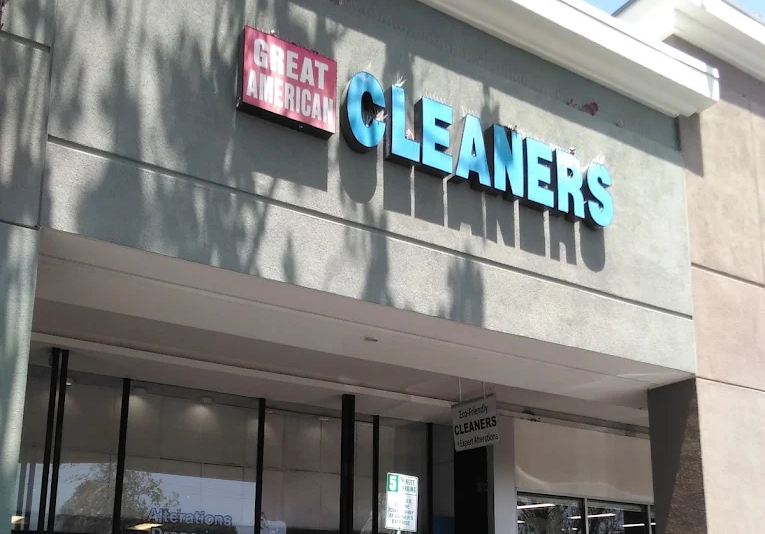
Great American Dry Cleaners believes customers deserve to understand how their garments are cleaned. The company utilizes premium eco-friendly cleaning solutions and advanced equipment designed to protect fabric integrity while delivering exceptional cleaning results.
Customers are encouraged to ask questions about cleaning methods, fabric care recommendations, and solvent options before service begins. The team is committed to helping customers make informed decisions about garment care and maintenance.
Individuals interested in professional dry cleaning and laundry services can contact Great American Dry Cleaners or schedule service online.
Great American Dry Cleaners
Phone: (855) 627-2160
Email: help@greatamericandrycleaners.com
Corte Madera Cleaners
Phone: (415) 924-1973
Email: cortemadera@greatamericandrycleaners.com
Meaders Cleaners
Phone: (415) 461-5600
Email: meaders@greatamericandrycleaners.com


Contact Information:
Great American Dry Cleaners
215 El Cerrito Plaza, El Cerrito, CA 94530
El Cerrito, CA 94530
United States
Ankit Vakharia
(510) 526-6844
https://greatamericandrycleaners.com/


Original Source: https://greatamericandrycleaners.com/dry-cleaning-solvents-explained/


