
CHARLOTTE, NC – X-Sense highlights the growing need for whole-home protection as fire behavior in modern households becomes increasingly unpredictable.
The most damaging water leaks are not always the ones that flood a room in minutes. Many begin quietly in places that are easy to ignore. Behind a washing machine, beneath a kitchen cabinet, around a toilet connection, or beside a water heater, a small leak can continue for days before anyone notices.
By then, the visible problem may be much bigger than the original drip. Flooring can swell, cabinets can weaken, mould may begin to form, and stored belongings can be damaged. In some cases, the first warning sign is a higher water bill rather than a puddle.
That is why hidden leaks deserve more attention. Homeowners often inspect obvious places after a major issue, but the areas most likely to cause trouble are often those that are difficult to reach or rarely checked.
The Leak You Cannot See Can Be the Costliest
A dripping tap is easy to spot. A leaking pipe behind a dishwasher is not. The same applies to slow leaks from toilet supply lines, refrigerator water connections, boiler pipes, and washing-machine hoses.
These leaks may release only a small amount of water at a time. That can make them seem less urgent. However, moisture does not need much time to affect wood, plaster, insulation, flooring, or stored items.
A leak under a sink may soak into the base of a cabinet. Water behind a washing machine can spread beneath flooring. A small toilet leak may remain hidden until the surrounding area begins to smell damp or feel soft underfoot.
The Environmental Protection Agency notes that the average household can waste thousands of gallons of water each year through leaks. Common examples include dripping faucets, worn toilet flappers, and leaking showerheads. The financial cost may be noticeable, but the damage inside the home can be even more disruptive.
Places Homeowners Commonly Miss
Some areas deserve more regular attention than others. The space beneath kitchen and bathroom sinks is an obvious starting point, but it is not the only place to check.
Washing machines are a common source of hidden water issues. Hoses can loosen, wear out, or develop small cracks. Because the appliance is usually pushed against a wall, the problem may remain hidden until water has already spread across the floor.
Dishwashers can also leak from supply lines, drainage hoses, seals, or fittings. A small amount of water behind the appliance may not be visible during normal use.
Toilets deserve attention too. A slow leak around the base, supply line, or internal tank components can continue without creating a dramatic puddle. In some cases, homeowners only notice after seeing changes in flooring or a higher water bill.
Water heaters, boilers, utility sinks, refrigerators with water dispensers, and basement plumbing are other areas that can be overlooked. These locations are often away from everyday living spaces, which gives a leak more time to develop unnoticed.
Warning Signs Should Not Be Ignored
Not every water problem begins with visible water. Homeowners should pay attention to less obvious changes around the property.
A musty smell may suggest trapped moisture. A cupboard base that feels soft or swollen can point to a leak beneath a sink. Peeling paint, bubbling wallpaper, warped flooring, or new stains on a ceiling can also indicate that water is moving behind walls or between floors.
An unexplained increase in water use may be another clue. It is worth checking the water meter when no taps or appliances are running. A change in the meter reading can suggest that water is still moving somewhere in the system.
These signs do not always confirm the source of the issue, but they should encourage homeowners to investigate early. Waiting until damage becomes obvious can make repairs more complicated.
Small Checks Can Prevent Major Repairs
Regular maintenance does not need to be difficult. A short inspection every few weeks can help spot loose fittings, damp patches, rust, or hose damage before a small problem becomes serious.
Homeowners should check that appliance hoses are not bent, cracked, or under strain. They should also make sure household members know where the main water shut-off valve is located.
Knowing how to turn off the water supply can make a real difference during an emergency. If a pipe bursts or a major appliance connection fails, acting quickly may limit the amount of water entering the home.
It is also sensible to avoid storing valuable items directly on basement floors or immediately beside plumbing equipment. Simple storage choices can reduce damage if water appears unexpectedly.
Smart Alerts Can Help Monitor Hard-to-Reach Areas
Some of the most vulnerable places in a home are also the hardest to inspect. A sensor placed behind an appliance or under a sink can provide an added layer of awareness when people are busy, away from home, or managing a second property.
X-SENSE develops connected home safety devices that help households monitor a range of risks, including water leaks. These systems are designed to provide early alerts rather than wait for visible damage.
A leak detector does not fix a damaged pipe or replace regular maintenance. Its purpose is to shorten the time between water appearing and someone being able to respond.
This can be especially useful for people who travel often, own rental properties, leave a home vacant for periods, or simply want more awareness around high-risk areas.
How the SWS51 Supports Early Leak Detection
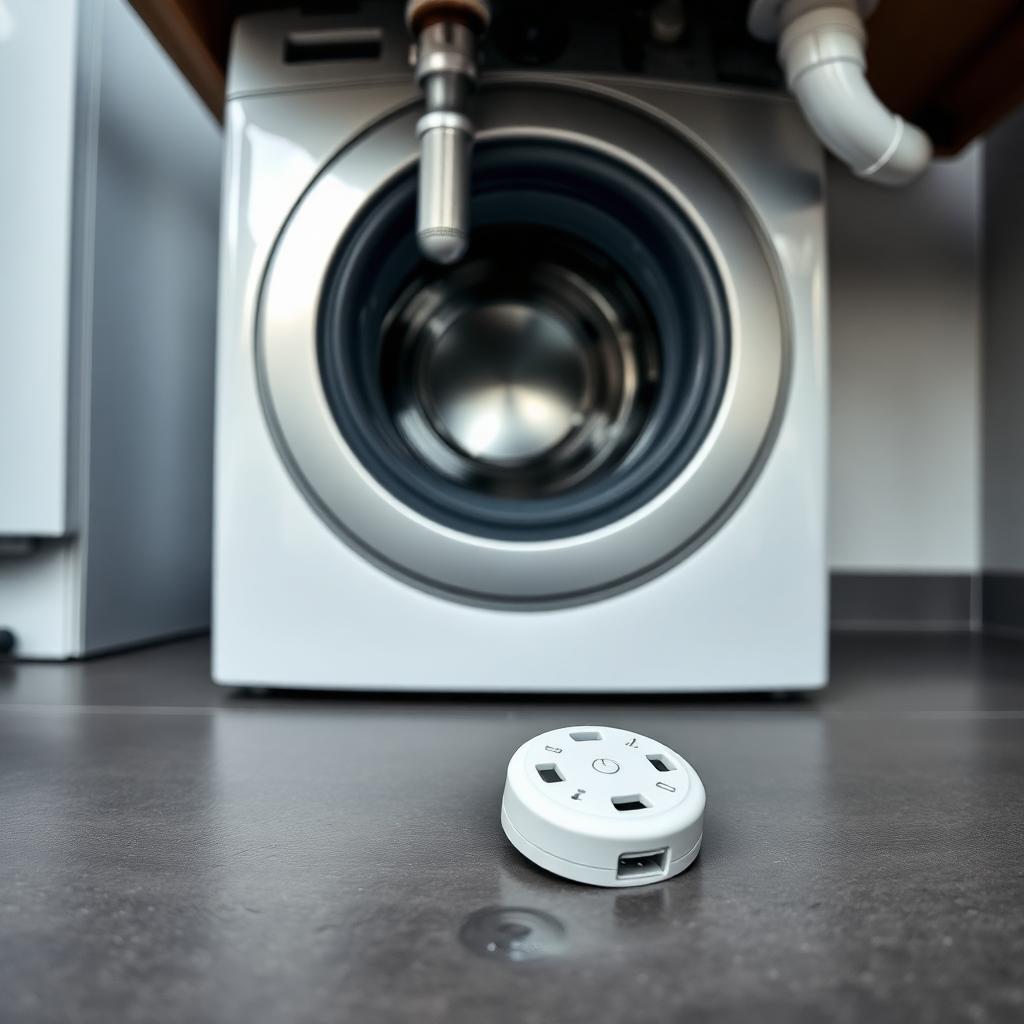
The X-SENSE SWS51 smart water leak detector is designed for placement in compact areas where leaks may otherwise stay hidden. It can be used near sinks, washing machines, toilets, radiators, basements, and appliance connections.
The device works with the X-Sense SBS50 Base Station. When water is detected, the sensor and base station can sound an alarm, while the connected system can send an alert through the X-Sense Home Security app.
According to X-Sense product information, the SWS51 uses two replaceable AAA batteries and has a stated battery life of up to three years. The detector has an alarm volume of up to 110 dB and an IP66-rated housing for use in water-leak monitoring environments.
The system also includes a test and silence function, allowing users to check the alarm and manage alerts when appropriate. Family members or trusted contacts can receive shared device access, which may help ensure someone can respond when the homeowner is away.
A Faster Response Starts With Earlier Awareness
Water damage often gets worse because the first signs are missed. A small leak behind an appliance or under a cabinet can continue quietly until it reaches flooring, walls, or personal belongings.
Regular checks, prompt repairs, and early warning devices can help homeowners act before a minor issue turns into a costly problem. Looking in the places that are easiest to forget may be one of the simplest ways to protect a home.
About X-SENSE Innovations
Founded in 2013, X-SENSE Innovations operates from its registered U.S. address at X-SENSE USA LLC, 1209 Orange St, Wilmington, DE 19801, and specializes in developing certified home fire and safety solutions for both residential and commercial environments. The company focuses on producing professional and user-friendly safety devices, including domestic fire alarms such as smoke, carbon monoxide, and heat alarms, as well as smart home safety systems covering fire protection, intrusion detection, and indoor environment monitoring.
More information is available at www.x-sense.com.
Official company social media profiles: Facebook and Instagram.
Media Detail
Contact Person Name: Farrukh
Company Name: X-Sense
Email: service@x-sense.com
Website: https://www.x-sense.com/
Phone: +1 (833) 952-1880


